Sustainable Solutions: Expert Environmental Consulting for Your Business
Green alternatives hold a critical place in contemporary business environment. Skilled sustainability consulting equips businesses with the means to boost performance while lowering their carbon footprint. By addressing sustainability concerns and legal standards, consultants guide companies in embracing green initiatives. This transformation benefits not only the planet but also reflects the ethics of sustainability-focused buyers. The journey toward becoming sustainable, yet, is multifaceted and necessitates thoughtful analysis of many elements. What steps could businesses adopt to initiate this change?
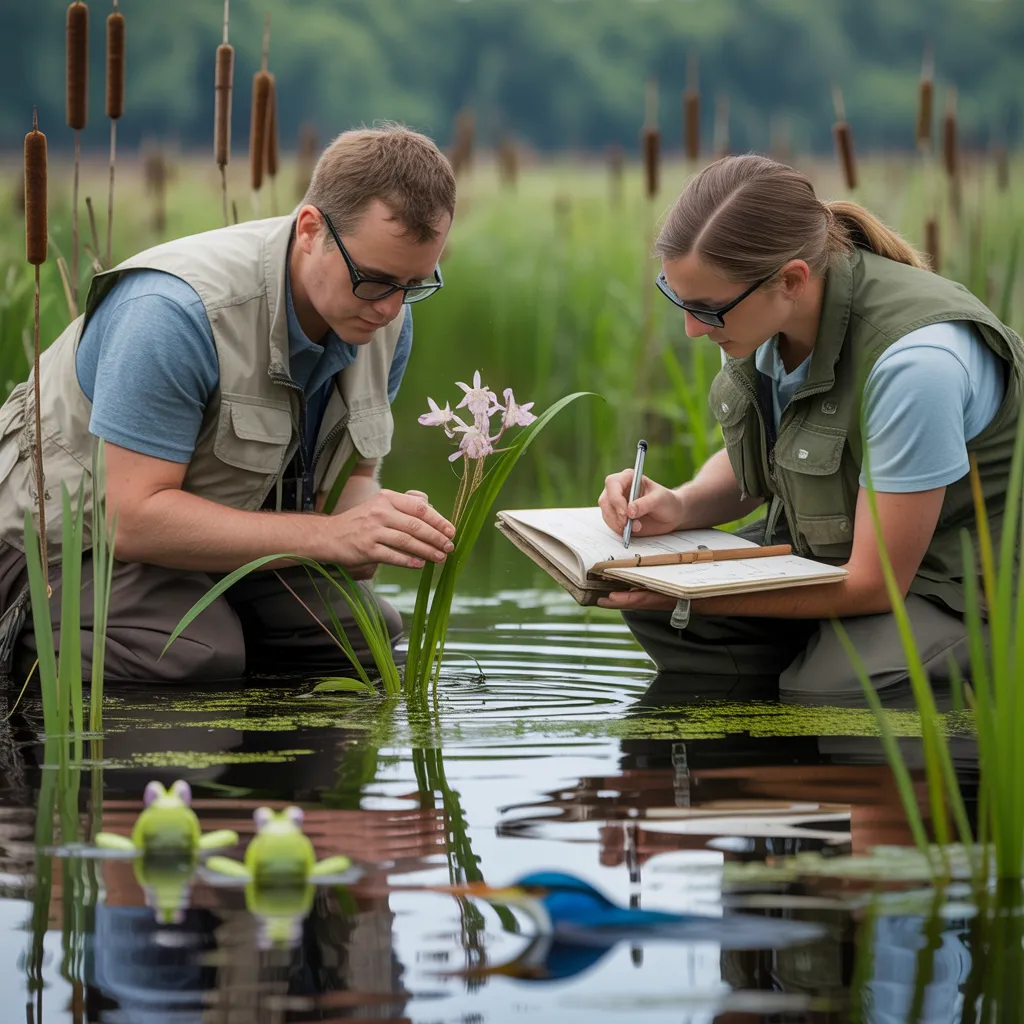
Learning About Environmental Consulting and Its Advantages
Understanding eco-friendly consulting services is crucial for companies seeking to adopt environmentally responsible methods. This field involves professional advice on ecological compliance requirements, green business approaches, and efficient resource allocation. Environmental consultants evaluate a organization's operations to pinpoint opportunities for enhancement, ensuring compliance with environmental laws and reducing environmental damage.
The benefits of engaging environmental consultants are significant. They deliver tailored solutions that enhance operational efficiency, reduce waste, and decrease costs connected to resource consumption. By evaluating potential environmental risks, consultants assist businesses mitigate liabilities and boost public standing. Additionally, the adoption of sustainable practices often leads to breakthrough innovation and competitive advantage in the marketplace.
Over the long term, partnering with environmental consultants builds a culture of sustainability within enterprises, inspiring employees to implement environmentally mindful behaviors. By leveraging their expertise, businesses not only contribute to environmental preservation but also establish themselves as leaders in corporate responsibility, engaging increasingly environmentally minded consumers.
Assessing Your Carbon Footprint
Determining a organization's environmental impact involves locating significant impact areas and measuring resource consumption rates. By analyzing these elements, businesses can pinpoint where improvements are necessary. This process not only encourages sustainability but also elevates efficiency levels.
Identifying Key Effect Zones
Many enterprises disregard the critical importance of identifying key impact areas when evaluating their environmental footprint. By determining particular elements of their activities that lead to environmental degradation, companies can create focused approaches for improvement. These key zones often include energy consumption, waste generation, water use, and emissions. Understanding these elements allows enterprises to prioritize measures that yield the most significant environmental benefits. In addition, engaging stakeholders in this recognition procedure cultivates a sustainable culture within the entity. By recognizing and addressing these key impact areas, businesses position themselves to improve their overall sustainability, reduce costs, and meet regulatory requirements. This proactive approach ultimately promotes long-term ecological and economic viability.
Measuring Resource Usage Rates
Once primary focus zones are identified, the next step includes calculating usage levels to assess the company's environmental footprint. This procedure requires an organized method to collect information on power, liquid, and material consumption across all activities. Employing instruments like energy audits, water assessments, and material tracking analysis can offer understanding into consumption patterns. Companies should also consider establishing benchmarks to measure against sector benchmarks or past performance. By analyzing these measurements, enterprises can identify inefficiencies and opportunities for reduction. Precise tracking not only helps in adherence with ecological laws but also improves corporate sustainability strategies. This information-based method is essential for choosing wisely that support lasting ecological objectives.
Key Areas for Responsible Corporate Methods
Moreover, entities can invest in clean energy alternatives, including solar or wind, to diminish dependence on fossil fuels. Staff involvement in sustainability programs nurtures a culture emphasizing responsibility, enabling originality and commitment to environmentally responsible methods. Conclusively, honest communication about environmental objectives and advancements reinforces stakeholder confidence and proves accountability. By merging these fundamental areas, organizations aid in nature conservation and solidify their standing as innovators in ethical business, captivating conscious consumers.
Locating the Perfect Eco Professional for You
Picking an environmental consultant requires a solid grasp of a firm's unique priorities and targets. Examining these demands permits enterprises to align with consultants who possess the pertinent skills and track record. This calculated strategy guarantees that firms decide wisely for sustainable solutions.
Analyzing Your Business Needs
When businesses recognize the significance of sustainability, they often deal with the challenge of pinpointing the right sustainability professional to address their distinct requirements. This undertaking starts with a thorough examination of the organization's eco-friendly aims, legal obligations, and present operations. Companies should consider their industry context, scale of activities, and specific challenges, including but not limited to waste reduction or energy efficiency. Engaging key personnel within the business can yield valuable insights into the priorities and desired outcomes of the professional engagement. Additionally, it is vital to define the range of offerings required, be it legal compliance, planning and strategy, or training. By clearly outlining these concerns, businesses can expedite the decision-making process and secure a more efficient collaboration with their chosen professional.
Reviewing Consultant Proficiency
How can companies guarantee they choose the appropriate environmental consultant? Evaluating consultant knowledge requires several key factors. First, organizations should evaluate the consultant's credentials, including pertinent certifications, training, and experience in particular environmental fields. Subsequently, examining previous projects and client references provides understanding into the consultant's performance and reliability. Furthermore, comprehending their strategy to environmental responsibility—whether they emphasize cutting-edge approaches or regulatory adherence—is vital. Interpersonal abilities also serve a important part; a consultant must effectively convey complicated information to different interested parties. Finally, consider the consultant's dedication to continuous learning and staying updated on environmental regulations and innovations. Through systematically examining these elements, organizations can reach informed decisions and select a consultant most matched to their distinctive requirements.
Design Your Bespoke Sustainability Plan
A thoughtfully planned sustainability plan has the potential to significantly advance a organization's environmental influence and organizational efficiency. This operation starts with a meticulous assessment of the business's current actions, identifying zones where upgrades can be made. Relevant stakeholders should be included in this review to guarantee diverse perspectives are considered.
Subsequently, distinct, quantifiable targets need to be developed. These goals should correspond with the overarching objectives of the organization while tackling sustainability issues such as minimizing waste, operational efficiency, and sustainable resource management.
Furthermore, it is crucial to incorporate cutting-edge approaches tailored to the unique challenges of the industry. Collaborating with experienced sustainability specialists can provide useful knowledge into best practices and advanced innovations.
At the end of the day, a purposeful communication initiative can establish a sustainability mindset within the organization, making certain that all employees appreciate their stakes in meeting these goals. This comprehensive approach ultimately deems the business a sustainability authority.
Establishing Sustainable Strategies Productively
Effective deployment of sustainable solutions necessitates a well-planned strategy that stresses transparent goals and direction. Businesses must first establish clear objectives, determining specific sustainability goals aligned with their overall mission. This entails partnering with stakeholders, including employees and suppliers, to foster a culture of sustainability throughout the organization.
Next, companies should manage budgets effectively, guaranteeing that the necessary digital solutions, instruction, and equipment are in place to support environmentally responsible operations. Regular communication is essential, as it keeps all stakeholders informed and driven.
Furthermore, integrating environmental responsibility into current operations can boost performance and lower resistance to change. By testing programs, companies can evaluate feasibility and make adjustments before complete rollout.
In the final analysis, a devoted management body, combined with lucid procedures and sustained involvement, can greatly strengthen the impact of sustainability initiatives, contributing to prolonged rewards for both the institution and the ecological system.
Assessing Your Environmental Responsibility Achievements
What methods can companies utilize to monitor their environmental advancement effectively? Companies can leverage a variety of tools and metrics to assess their environmental impact and improvements. One common strategy is the adoption of key performance indicators that focus on energy usage, waste reduction, and greenhouse gas emissions. By establishing specific benchmarks, companies can evaluate their progress over time.
Furthermore, digital platforms that monitor resource usage and greenhouse gas emissions can deliver instantaneous data, facilitating more informed choices. Periodic sustainability audits also play an essential role, allowing companies to pinpoint areas for enhancement and ensure compliance with environmental regulations.
Bringing contributors into surveys and feedback mechanisms can notably advance the measurement access this information framework, encouraging a culture of accountability and continuous improvement. Finally, a systematic approach to evaluating sustainability metrics allows enterprises to make informed adjustments and reveal their commitment to environmental stewardship.
Frequently Asked Questions
How Much Will Environmental Consulting Typically Price Businesses?
Environmental consulting fees for companies generally span from $100 to $300 per hour, depending on the firm's experience and project complexity. Project-based pricing may also be available, varying based on the services needed and duration.
What Certifications Do I Search for in an Eco-Consultant?
In selecting an environmental consultant, prospective clients should seek certifications such as Certified Environmental Professional (CEP), ISO 14001, or LEED accreditation, as these reveal expertise and commitment to eco-conscious practices within environmental management.
Are Smaller Companies Able to Benefit From Environmental Consulting Services?
Yes, small companies can considerably profit from sustainability consulting expertise. These professional offerings help streamline resource utilization, cut down on waste, bolster regulatory compliance with regulations, and enhance sustainability efforts, eventually providing cost savings and a more positive brand perception.
How Often Should I Enhance My Sustainability Strategy?
Modifying a sustainability strategy should take place once or twice yearly, depending on competitive shifts and organizational growth. Consistent assessments guarantee harmony with updated compliance rules, community needs, and technological advancements, strengthening sustained progress and better environmental performance.
What Industries Gain the Most From Environmental Expert Advice?
Industries such as manufacturing, construction, energy, and agriculture receive significant benefits from environmental expert guidance. These sectors regularly confront compliance obstacles, resource allocation problems, and sustainability goals that demand specialist advice to improve their green performance and legal compliance.